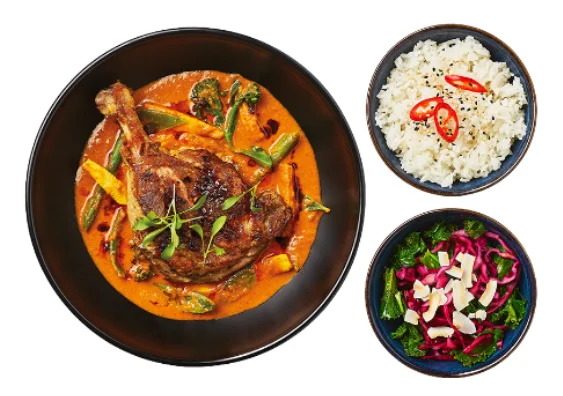
Wagamama Duck Akakare features a tender duck leg served on the bone in a rich, mild red curry sauce infused with fragrant lemongrass and coriander. Mixed fresh vegetables add variety to the curry, while a side of jasmine rice with sesame seeds and chilli helps balance the warm, aromatic sauce. A fresh kale and pickled red cabbage salad topped with coconut chips completes this hearty curry dish.
Price: £25.50
⚡Calories
1,271
🥑Fat
75 g
🌾Carbs
106 g
💪Protein
41 g
Nutritional Information
The nutritional information for Wagamama Duck Akakare helps you review its calories and other key nutrition details before ordering. Check the table for energy, carbohydrates, fat, protein, salt, and other available values to understand the dish’s nutritional content and compare it with other Wagamama menu options.
| Typical Values | Per Serving | Per 100g |
|---|---|---|
| Energy | 5267 kJ / 1271 kCal | 611 kJ / 147 kCal |
| Fat | 74.50 g | 8.60 g |
| Saturated Fat | 19.60 g | 2.30 g |
| Carbohydrates | 106.00 g | 12.30 g |
| Of which sugars | 16.50 g | 1.90 g |
| Protein | 41.20 g | 4.80 g |
| Salt | 4.30 g | 0.50 g |
| Fibre | 13.20 g | 1.50 g |
| Sodium | 1.7 g | 0.2 g |
Is It a Healthy Choice?
The Wagamama Duck Akakare is a rich, hearty main, and its nutrition figures reflect that. Here is a quick look at what each nutrient means for your order, based on the per-serving values.
Overall Verdict: The Duck Akakare is best treated as an indulgent, filling meal, good for a special treat or a shared table rather than an everyday order.
What is in It?
The flavor here comes from a few distinct parts working together. The curry sauce carries the dish, while the rice and salad add contrast.
What Does It Taste Like?
The Duck Akakare leads with a rich but mild red curry sauce. Lemongrass and coriander keep it fragrant rather than fiery. The duck leg sits at the center, so the dish eats more like a slow-cooked plate than a quick curry.
What Allergens Should You Know About?
This dish contains a couple of allergens worth checking before you order. If you have an allergy or intolerance, it’s always best to tell the restaurant team when you place your order.
Who is it For?
This is a big, energy-dense plate with a lot of protein and a generous amount of fibre. It also carries plenty of fat and salt, so it works best as a deliberate treat rather than a casual lunch.
Good For You If
✓ You want a high-protein meal
✓ You like plenty of fibre
✓ You’re really hungry
✓ You want a filling, one-plate dinner
✓ You enjoy mild, aromatic curries
May Not Be Ideal If
✕ You’re keeping calories low today
✕ You’re watching saturated fat
✕ You’re limiting salt intake
✕ You want a lighter lunch
✕ You prefer low-fat meals
How It Compares With Similar Menu Items
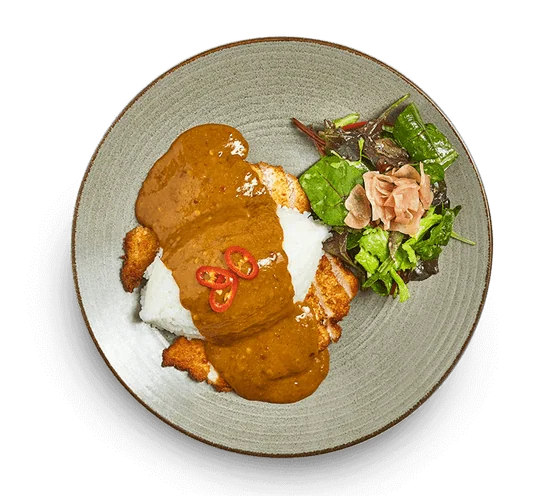
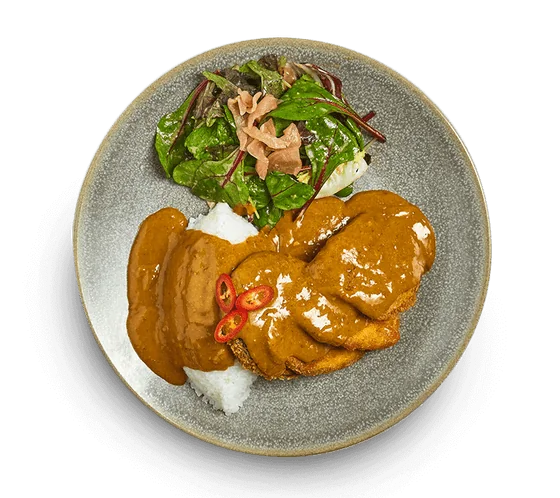
Within the Wagamama Curry Menu, the Duck Akakare stands apart from the crumbed katsu options. It centers on a slow-cooked, on-the-bone duck leg with a rice and salad side rather than a coated cutlet. That makes it the priciest curry in this group, so it suits diners who want something more distinctive over the familiar katsu route.


Best Food Pairings
A curry this rich and aromatic pairs well with something cool or refreshing from the Drinks menu, or a crisp little extra from the Sides menu. These five options can cut through the sauce, refresh the palate, and round out the meal.
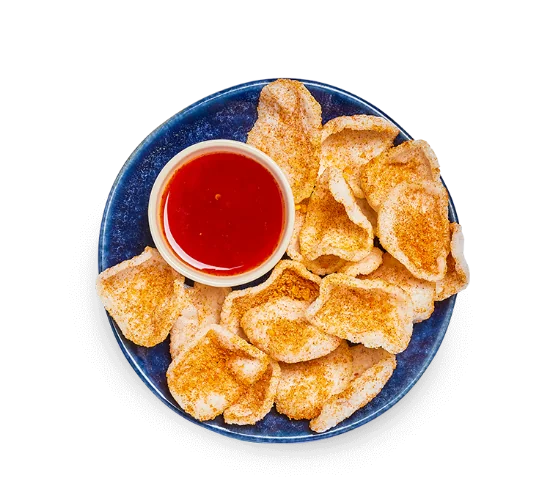
Koko Prawn Crackers
A crunchy nibble to start with while the duck curry arrives, adding contrast before the rich main.
Best Occasion: Dinner starter or a shared table

Iced Matcha + Strawberry Latte
Its cool, fruity-meets-earthy flavor gives you a refreshing break between bites of the rich curry.
Best Occasion: Relaxed dinner or a late lunch

Kickstart Juice
A fruity, fresh option that gives the plate a lighter contrast.
Best Occasion: Lunch


Is It Worth the Price?
At £25.50, the Duck Akakare is the most expensive curry in its group, but it arrives as a full plate with duck, vegetables, rice, and a salad. You are paying for a more distinctive, on-the-bone protein rather than a standard cutlet. If you want something different from the usual katsu, it can feel like a fair step up. If you simply want a satisfying curry, the cheaper options may deliver more value.
The Duck Akakare is a good pick for diners who want a richer, more distinctive curry than the usual katsu choices. Its biggest strength is the tender duck in a mild, fragrant lemongrass and coriander sauce, backed by plenty of protein and fibre. The main drawback is its heft: it is high in calories, fat, and salt, and it costs more than the other curries. It suits hungry diners looking for an occasional treat rather than an everyday meal. If this dish piques your interest, browse the Wagamama Full Menu to see what else might sit alongside it.
Menu information on this site is sourced directly from official Wagamama menus only. Prices and availability may differ by location.