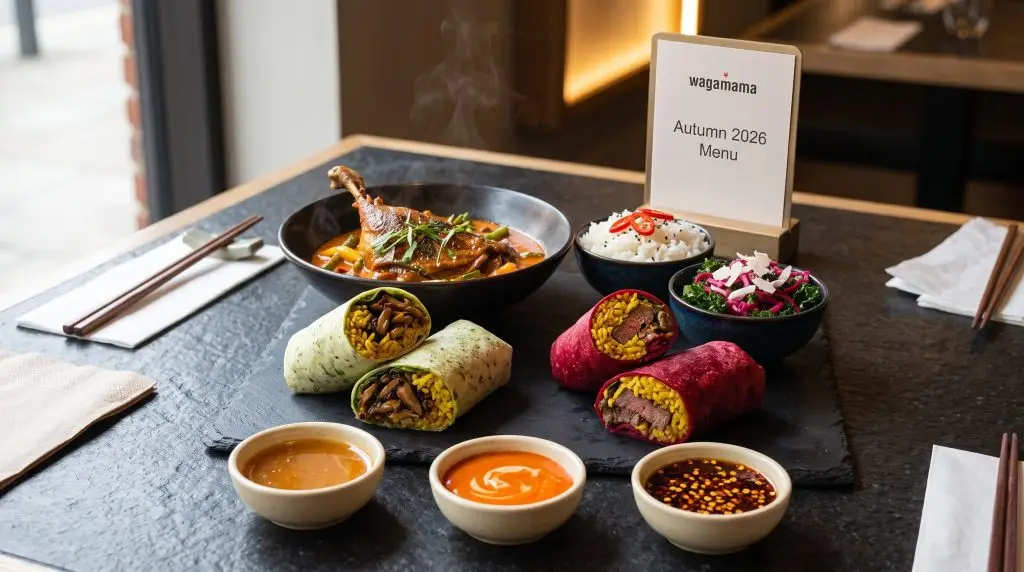
Wagamama is best known in the UK for bringing Japanese-inspired dining into a modern, informal restaurant setting. Its identity is closely tied to ramen, rice bowls, curries, noodles, generous sides and a style of service that feels very different from a traditional British restaurant.
But there is more to the brand than a list of popular dishes. When we look at what has made Wagamama distinctive over the years, three things stand out: its Asian-inspired menu, its open and communal dining style, and its ability to make dishes such as ramen and katsu curry familiar to a broad UK audience.
Wagamama Is Best Known for Japanese-Inspired Food
At its core, Wagamama is known for a menu built around Japanese-inspired dishes rather than conventional British restaurant food. The wider menu draws on Japanese and other Asian flavours, with noodles, rice, broths, curries, vegetables, grilled proteins and punchy sauces appearing throughout.
That distinction matters because Wagamama is not best understood as a strictly traditional Japanese restaurant. Its food sits in a broader modern Asian-inspired category, which helps explain the variety of dishes available and the brand’s wide appeal in the UK.
For us, this is one of the easiest ways to understand Wagamama: it takes familiar Asian formats and presents them in a casual, accessible restaurant setting.
Ramen Is One of Wagamama’s Signature Dishes
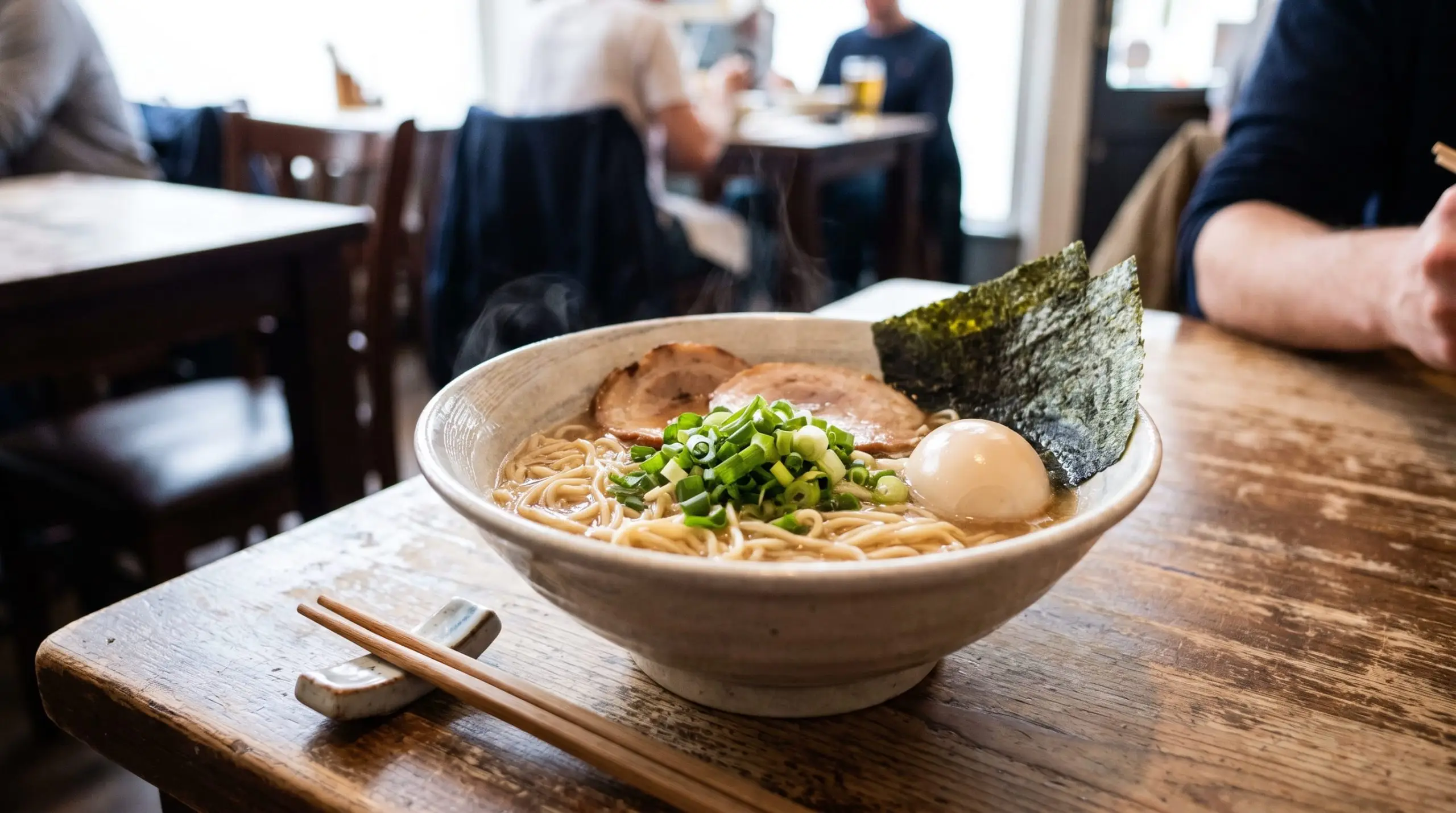
Ramen is probably the dish most closely associated with Wagamama’s restaurant identity.
The appeal is straightforward. A ramen bowl combines noodles with a seasoned broth and a selection of toppings, creating a complete meal in one bowl. That format also gives Wagamama room to offer different flavour profiles and protein or plant-based choices.
For customers trying the restaurant for the first time, ramen is often the natural starting point because it reflects the sort of hearty, noodle-focused food that helped establish the brand.
Why Ramen Matters to the Wagamama Identity
Ramen also captures something important about the Wagamama experience: the food is designed to arrive as a substantial individual bowl rather than being centred around a traditional starter-and-main structure.
That makes the dish both visually recognisable and practical for customers who want a filling noodle meal.
Chicken Katsu Curry Is Another Major Part of the Brand
Ask UK diners to name a Wagamama dish and chicken katsu curry is very likely to come up.
The dish combines breaded chicken with a Japanese-style curry sauce and rice, giving diners a contrast of crisp texture, rich sauce and a straightforward rice base. It has also become one of the restaurant’s most recognisable menu choices in the UK.
The popularity of katsu curry is useful for understanding Wagamama’s wider approach. It is Asian-inspired food, but presented in a format that is relatively easy for someone unfamiliar with Japanese cuisine to understand.
We would describe it as one of Wagamama’s most approachable choices rather than suggesting that it represents the whole menu.
Noodles Are Central to More Than Just Ramen
Wagamama’s reputation is not built around ramen alone. Noodles are a major part of the overall food concept, with dishes drawing on different Asian-inspired preparations and flavour combinations.
This gives the menu a useful degree of variety. Someone who does not want a soup-based ramen can still choose a noodle dish while getting a very different texture and flavour experience.
That range is part of what keeps Wagamama from being a one-dish restaurant. Ramen may be the most recognisable format, but noodles as a category are just as important to the brand’s identity.
Rice Bowls and Curries Add More Variety
Wagamama is also known for dishes built around rice and curry-style sauces. These are useful for diners who prefer a meal with less emphasis on noodles or broth.
Rice-based dishes can also make the menu easier to navigate for groups. At the same table, one person might choose ramen while another prefers curry and rice, without either having to leave the restaurant’s overall style behind.
This mix of formats is one of Wagamama’s strengths. The menu has a recognisable identity without making every dish feel the same.
Wagamama Is Known for a Communal Dining Style
The food is only part of what makes Wagamama recognisable.
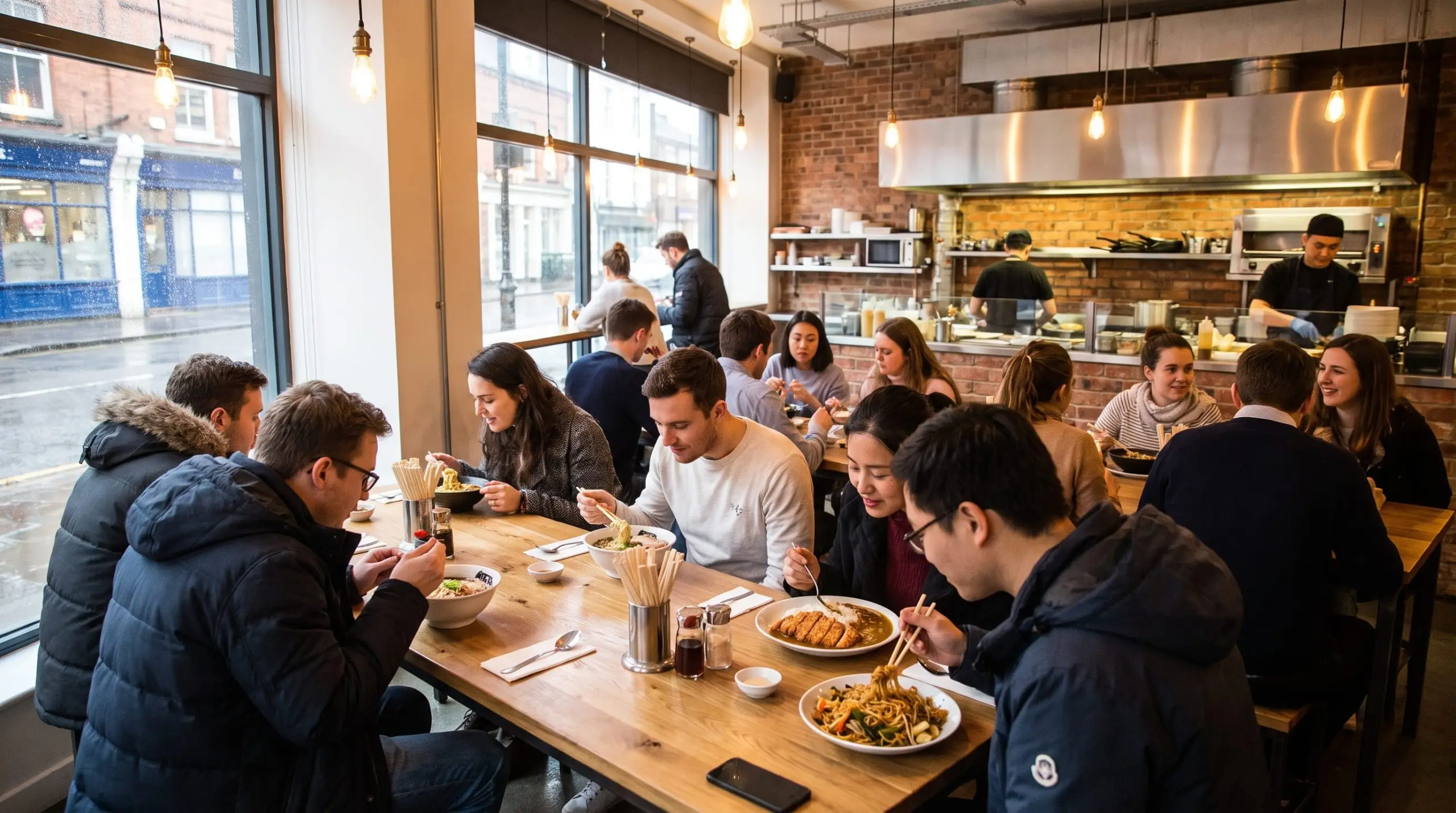
The restaurant is widely associated with long communal tables, an open-plan layout and a lively dining environment. Rather than creating a series of separate, private dining spaces, the design encourages a more shared and informal atmosphere.
That physical setup is closely connected to the brand’s personality. Wagamama feels more casual and energetic than a conventional formal restaurant, which is a major reason customers often think of the dining experience and the food as part of the same package.
It also means the restaurant can feel well suited to quick meals, casual meet-ups and groups with different food preferences.
The Open-Kitchen Feel Is Part of the Experience
Another recognisable feature is the emphasis on the kitchen and food preparation area.
An open or visually connected kitchen makes the cooking process more noticeable than it would be in a restaurant where food is prepared entirely out of sight. For customers, that contributes to the sense that the meal is part of an active, busy dining environment.
We would not treat this as a gimmick or the sole reason to visit. It works because it fits the wider Wagamama concept: informal food, visible preparation and a lively restaurant setting.
What Makes Wagamama Different From a Traditional Japanese Restaurant?
Wagamama is heavily influenced by Japanese cuisine, but it is better described as a modern Asian-inspired restaurant concept than as a restaurant serving only traditional Japanese food.
That difference explains why its menu can include Japanese favourites alongside dishes influenced by other Asian cuisines. The result is intentionally broader than a specialist Japanese restaurant.
For a UK customer, this can be an advantage. You can enjoy Japanese-inspired dishes without needing to know much about regional Japanese cooking or traditional restaurant conventions before you order.
Wagamama Has Also Become Known for Plant-Based Choices
The brand has developed a strong reputation for offering plant-based and vegetarian choices alongside meat and seafood dishes.
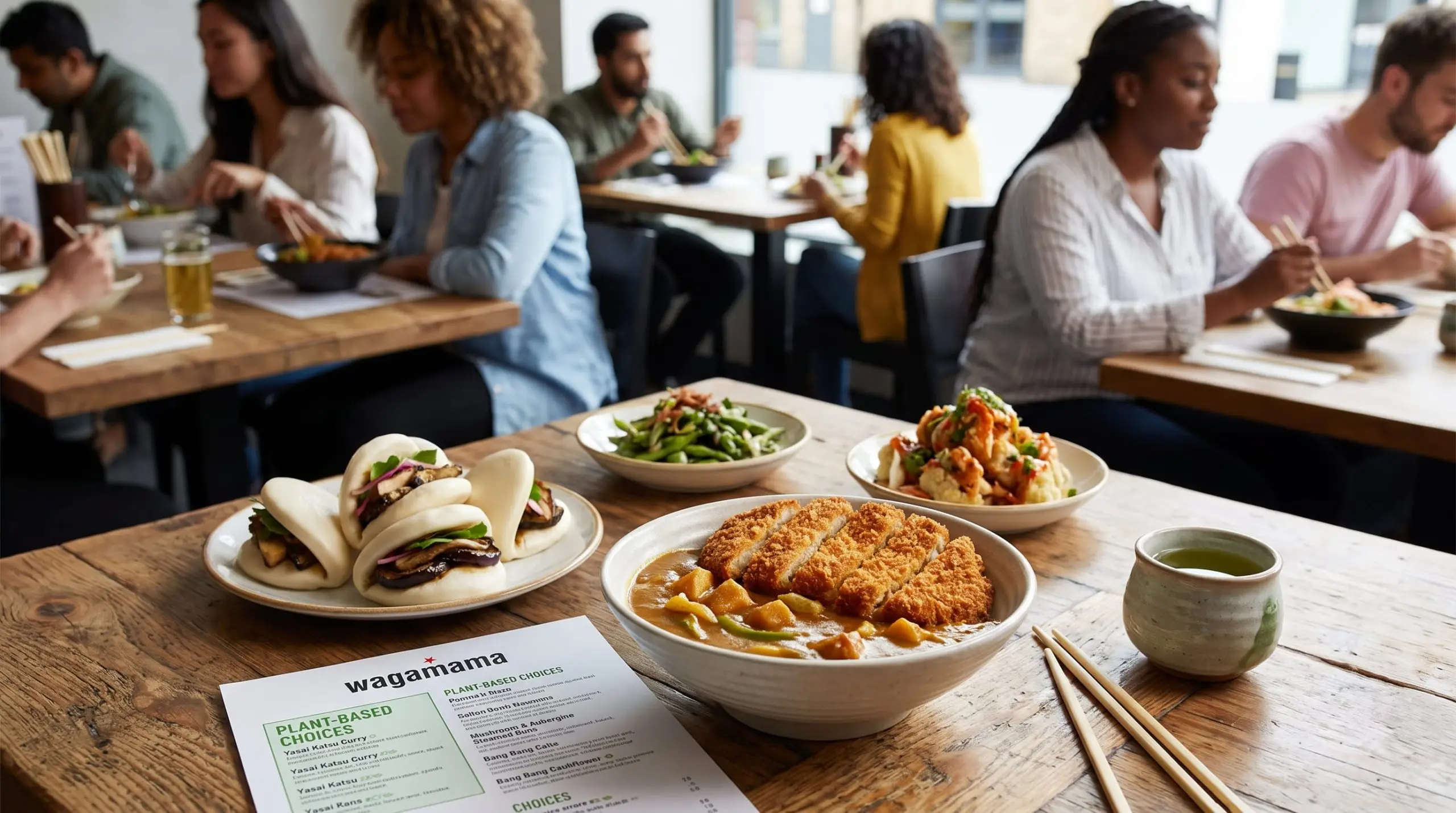
For diners choosing their meal around dietary preferences, the important point is not simply that plant-based options exist. The useful question is what is available on the current UK menu and whether a particular dish is officially identified as suitable for a given diet.
Because menus and recipes can change, we recommend checking Wagamama’s current official dietary and allergen information before relying on an older menu article or customer comment.
That is particularly important for people with allergies or strict dietary requirements.
Is Wagamama More About the Food or the Experience?
We think the answer is both.
The food gives the brand its clearest identity: ramen, noodles, curries, rice dishes and other Asian-inspired meals. But the communal setting, open-kitchen atmosphere and informal service style help make those dishes feel distinctly Wagamama rather than simply another restaurant’s version of them.
This combination is probably the strongest explanation for the brand’s long-standing recognition in the UK.
A restaurant can serve ramen without becoming known for ramen. Wagamama’s wider concept gives the dish a memorable setting and a consistent identity.
What Do People Usually Order at Wagamama?
There is no single correct order, but the most recognisable starting points are dishes such as ramen and chicken katsu curry, alongside other noodle and rice-based meals.
For a first visit, we think the choice is easiest when you start with the format you actually want:
Choose ramen if you want
A warming noodle-and-broth meal with toppings and a substantial bowl format.
Choose katsu curry if you want
A crisp, saucy rice dish with a more familiar curry-style structure.
Choose another noodle dish if you want
The texture and flavour of noodles without necessarily choosing a broth-based bowl.
This approach is more useful than simply picking the dish that happens to be most famous. Wagamama’s menu is broad enough that your preferred format matters.
Why Is Wagamama So Recognisable in the UK?
Wagamama’s UK identity comes from the combination of several elements rather than one signature dish.
Its most recognisable features are:
Individually, none of these ideas is completely unique. Together, they create the Wagamama experience that UK diners recognise.
That is also why simply describing Wagamama as a “ramen restaurant” misses much of the picture.
The Bigger Reason Wagamama Stands Out
For us, Wagamama’s biggest achievement is making Asian-inspired food feel approachable to a very broad UK audience without reducing the menu to a single cuisine or dish.
Ramen may be the visual shorthand. Katsu curry may be the familiar favourite. But the real identity comes from the combination of food, restaurant design and an informal way of eating.
That makes Wagamama known for more than its best-selling dishes. It is known for a particular style of modern Asian-inspired dining that has become familiar across the UK.
Bottom Line
So, what is Wagamama known for? Above all, it is known for ramen, noodles, katsu curry, rice dishes and other Asian-inspired meals served in a casual communal setting.
For first-time diners, ramen and katsu curry are useful reference points, but they should not define the entire menu. Wagamama’s real strength is the variety around those familiar dishes and the restaurant experience that ties everything together.
When we look beyond the individual menu items, that combination is what makes the brand distinctive in the UK.
FAQs
Menu information on this site is sourced directly from official Wagamama menus only. Prices and availability may differ by location.